
About us
- Home
- About
Safe2Play is a social enterprise born from a genuine desire to support the best wellbeing for children, families and all people navigating the world of digital delight and distraction, amusement and addiction. We know the impacts and that families are struggling to find the balance they need to take control of their digital life rather than letting it or tech companies be in control of them. We want to solve the problem of digital wellbeing issues and ensure children have a balanced ‘play diet’ on and off-line, so they can have the best start to life.
We are a small business with the right combination of skills and big hearts wanting to make a difference. We have a child and family worker who has combined experience in public health project management including leading digital wellness initiatives. The other team members include computer software and IT experts who with extensive knowledge in their field.
The Safe2Play goal is to make dealing with children’s screen use and setting safety limits easy and effective. We provide a comprehensive suite of options that includes educational workshops, safety hardware, and coaching so you can get set up and feel more at ease when the kids are online (still keep an eye out as the digital worlds changes quickly and you need to stay one step ahead of the kids or tempted loved ones).

Here's why we do what we do:
The United Nations Convention on the Rights of the Child acknowledges that play isn’t a luxury but a fundamental right that supports emotional, cognitive, and social development. We want to support a balanced play diet.
Impacts on children of unhealthy screen use:

Safety
Children don’t fully understand e-safety. The decision-making part of their brains isn't completely developed until 25 years old.
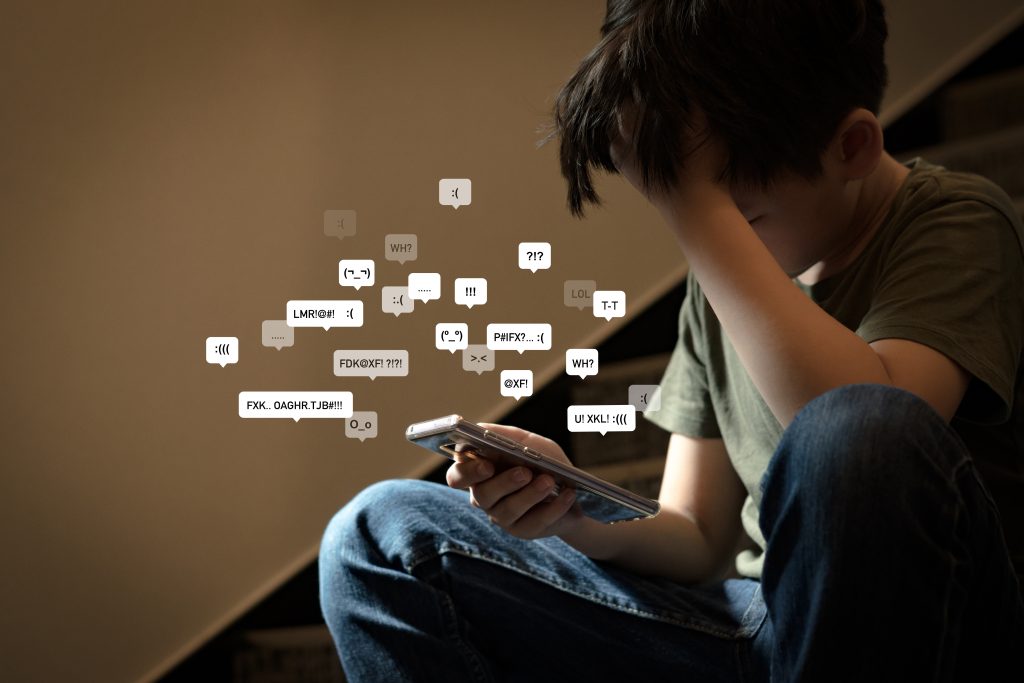
We can't expect kids to self-regulate what they do or the amount of time they spend online. Many children are experiencing cyberbullying or may be exposed to porn, sextortion, predators, false information, gambling, advertising and disturbing content.
They may use AI companions which aren’t safe and can guide them to make poor decisions. The worst-case impact of all the above is death by suicide.
Mental Health
Too much time online or accessing certain content can lead to depression, anxiety and eating disorders.
The worse someone's mental health is, the more likely they are to look for an online escape, doom scroll or be on platforms that expose them to damaging content and misinformation. Algorithms affect what young people see and can shape their feelings and choices including around ideologies, extremism, conspiracy theories and misogynistic ideas. Social media usage can lead to body disordered thinking and eating disorders. Platforms often give a message that image is part of self-worth.

Connection
'Technoference' refers to how technology can interfere in relationships. The brain is hard-wired for fulfilling face-to face connection.
A two-dimensional experience can't provide this and leaves us feeling unfilled and looking to screens even more. It's not more screen time but more IN REAL LIFE (IRL) connection that we need. A neurodiverse child is more likely to be harmed on social media. If they mainly socialise online, they are not practicing their social skills and learning to read cues better. Source: Dr Mark Williams, Neuroscientist

Addiction
Time on screens can build addiction pathways in the brain. Tech companies make money by ensuring their platforms are addictive.Dopamine is a short-term pleasure-seeking brain chemical.
When children are on social media, watching YouTube or TikTok short reels and gaming they get hits of dopamine. Children then seek out more hits and get into an addiction cycle. This doesn’t make kids feel good as it is short-lasting, so they seek out that feeling again. Serotonin and oxytocin are brain chemicals that last longer and support emotional balance. Kids get those from in real life (IRL) activities and being active.

Brains and IQ
Screens are making us 'dumber' as shown by decreasing literacy results in schools. As clips get shorter, attention spans are getting shorter.
Children may have less ability to regulate and concentrate in class. Time on screens can crowd out or displace time that might have been spent doing homework, reading, chores, being active, or playing in real life. All of which contribute to healthy brain development.
Children who spend too much time on screens in the early years may develop almost half the language skills by 18 months and be developmentally delayed.

Physical Health & Keeping Active
Children need to sit less and play more! Improving physical activity, reducing time sitting and ensuring quality sleep supports their physical and mental health and wellbeing.
Physical activity helps prevent obesity and other diseases later in life, according to the World Health Organisation. Screen time can displace time children have to spend being active. Children may not develop basic skills like catching, throwing and balance(vestibular) to be able to join in sporting or other movement-based activities; so enter a cycle of not feeling confident with movement or sports.

Emotional Intelligence, Social Skills, and Regulation
Children need connection from people who care about them and can empathise with them to develop emotional & social skills.
Using screens to regulate emotions means children don't learn how to regulate them themselves. Screen use can also build a tendency for short-term gratification.
The number of students with cognitive, social and behavioural difficulties has increased in Australia. Current research shows a link between mobile devices and emotional dysregulation in children, with potentially long-term consequences.

Still Face Syndrome
Is where children show reduced emotional expression and responsiveness which can impact their development. Children look to their parents to learn emotions.
When a child sees a blank, non-responsive face as a parent stares at their phone they feel stress, confusion and sadness. This lack of interaction can lead to difficulties in emotional regulation and social skills in children. Every moment of eye contact, every shared smile, every emotionally responsive interaction is building the architecture of a child’s brain. Source: Dr Mark Williams (Neuroscientist)

Vision
Screen use can lead to digital eye strain, myopia (near-sightedness), and other vision issues.
Outdoor play helps support healthy eye development as well as screen breaks using the 20/20/20 rule (take a 20-second break every 20 minutes and look at something 20 feet away). During outdoor play, the brightness of the light stimulates eye growth and improves depth perception, eye-hand coordination, and overall visual ability as it often involves using the eyes in different ways.
Simple ways to ensure screen use does not have a negative impact on children:
Limit time online by working out what are the most important things to spend time on each day and see what time is left for leisure time screen use.
Ensure activities like sleeping, being active outdoors, homework, chores, in real life time with family & friends aren't displaced by screen time.
Put parental controls for safety and time limits on all devices and platforms. Aim for quality screen time experiences where possible.
Create a screen use agreement for all family members to keep on the fridge that lays out where, when, how, what in terms of safe screen use.
Have fun on screens together like watching a movie or talking to friends and family online.
Talk to kids about how to be safe and respectful online and where to go for help. Check in with them on a regular basis.
Disclaimer: Any technology is not 100% guaranteed but our suite of offerings will help your family set up good habits and easy to use boundaries to reduce safety risks and increase a balanced approach to screen time for kids.